Collection: Neurodiverse Worksheets

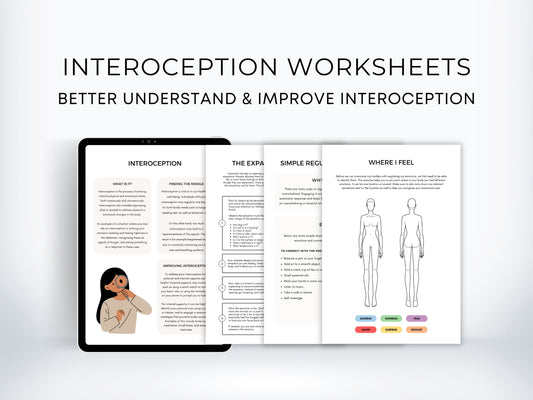
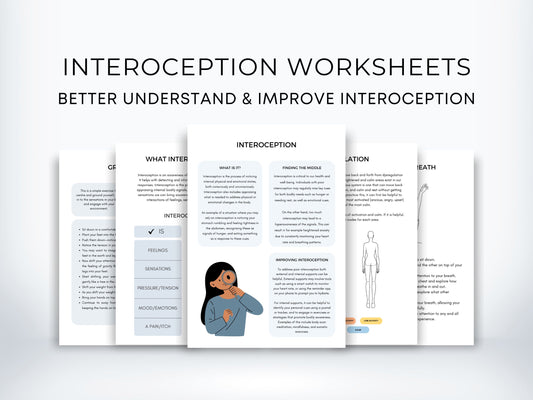
  • Interoception Psychoeducation Worksheets

    15 Page PDF Digital Downloa...
    Regular price $10
    Regular price Sale price $10
  • Autism in Women & Girls Worksheets

    10 Page PDF Digit...
    Regular price $6
    Regular price Sale price $6

Frequently Asked Questions

What presentations does this collection cover?

The Neurodiverse Worksheets collection covers autism spectrum presentations, and neurodivergent experiences more broadly including masking, autistic burnout, sensory processing differences, and executive function challenges. Resources are suitable for clinicians working with neurodivergent clients across the lifespan, including those navigating a late or recent autism diagnosis.

What is autistic burnout and how can therapy worksheets help?

Autistic burnout is a state of physical, mental, and emotional exhaustion following prolonged masking, sensory overload, or insufficient support. It can involve loss of previously held skills, increased sensory sensitivity, and withdrawal from social activity. It is frequently misidentified as depression or a regression in functioning. Worksheets can help clients identify their personal burnout warning signs, understand their energy and sensory needs, and develop recovery strategies that are realistic for their neurological profile.

What is masking in autism?

Masking refers to the conscious or unconscious suppression of autistic traits to appear neurotypical. While it can make an autistic person appear to cope socially, it carries significant mental health costs including exhaustion, identity confusion, anxiety, and increased risk of autistic burnout. Resources in this collection help clinicians support clients to understand their masking behaviours and develop strategies for reducing masking in safe contexts.

Why is autism often missed in women and girls?

Autism research has historically focused on male presentations, and diagnostic criteria reflect this. Women and girls are more likely to mask autistic traits, making presentations less visible to clinicians and diagnostic tools. They are frequently diagnosed late or misdiagnosed with anxiety, depression, or borderline personality disorder. Resources in this collection specifically address the female autism phenotype and support clinicians working with clients navigating late diagnosis.